Threats and Evacuations
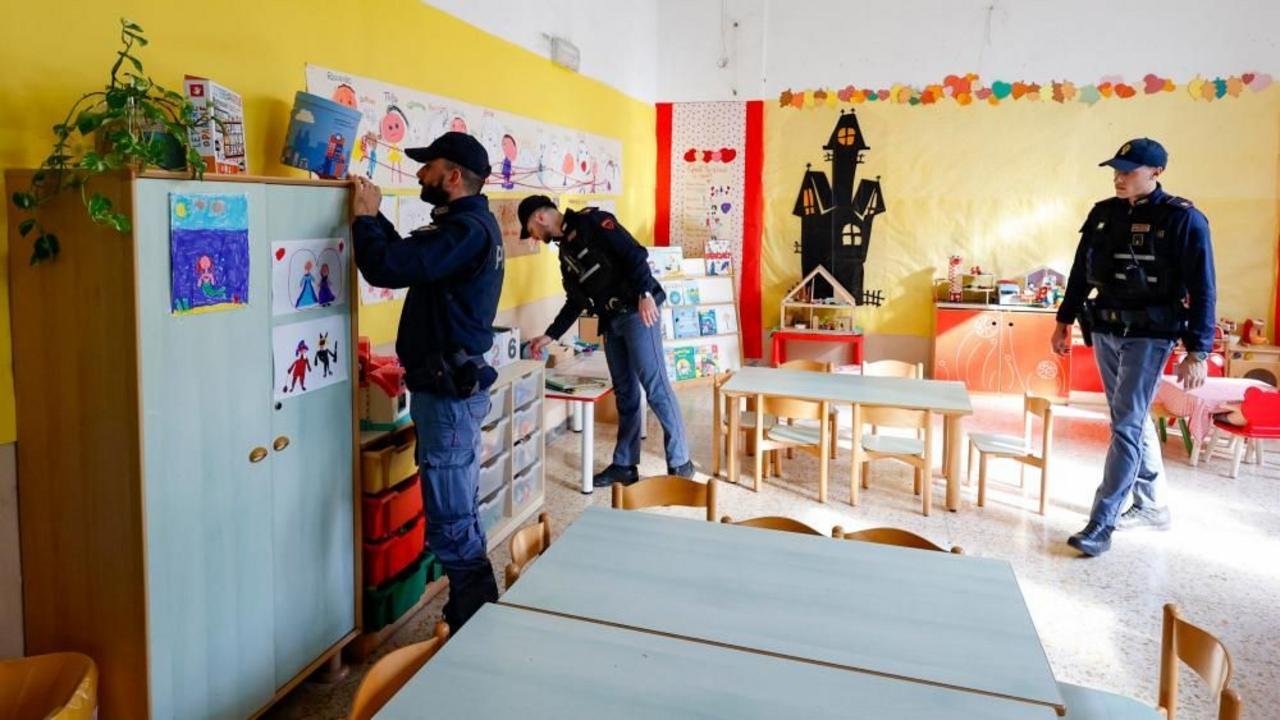
Italian schools received bomb threats for the second day in a row, prompting evacuations in 77 schools on Thursday. The threats were sent to 3,778 schools from Milan to Sicily. No explosive devices were discovered during searches.
Scale of the Threat
The threats were sent to 6,300 of 7,476 state schools via mass email.
Government Response
The government advised schools that, in the absence of concrete evidence beyond a mass email, buildings should not be evacuated. Prime Minister Giorgia Meloni said her government would issue sector‑specific advice to address such threats.
Guidance for Schools
Authorities urged schools to avoid unnecessary evacuations and to follow new sector‑specific guidelines.
Global Context
The bomb threats in Italy are part of a broader pattern of bomb hoaxes across Europe, including incidents in Scotland, Northern Ireland, and France, and a series of hoaxes against airports and airlines last week.
What Happens Next
The government will develop sector‑specific guidance for schools, and authorities will continue to investigate the origins of the threats.
Frequently asked questions
How many schools were evacuated in Italy after the bomb threats?
Seventy‑seven schools were evacuated on Thursday, down from many the previous day, after bomb threats were received by 3,778 schools. Authorities confirmed that the evacuations were precautionary, and no explosive devices were discovered during the subsequent inspections. The decision was made to prioritize safety over uncertainty.
What did the Italian government advise schools to do?
The government advised that schools should not evacuate unless there is concrete evidence beyond a mass email indicating a danger. They urged schools to follow official protocols, report any suspicious activity, and wait for confirmation from security agencies before taking drastic measures to ensure safety.
Who claimed responsibility for the bomb threats?
The threats were signed by a name claiming to be "Mikhail Andropov, leader of Vilayat di Misoginistan," but the origin remains unclear. Investigations suggest the emails may have been fabricated by actors, and authorities are examining links to extremist groups for recent weeks and monitoring.
Sources & references
This AI-assisted synthesis is based on reporting from BBC News ↗. It is not independent on-the-ground reporting.
Original source published: .